dentistlistings.org
The most advanced and established web directory for dentists
★ Get your own unique FAQ + Selling Points on your profile page
★ be seen by 1000s of daily visitors and win new business
dentistlistings.org Miniblog
Eight Hours Asleep, One Busy Mouth: What Actually Happens Overnight
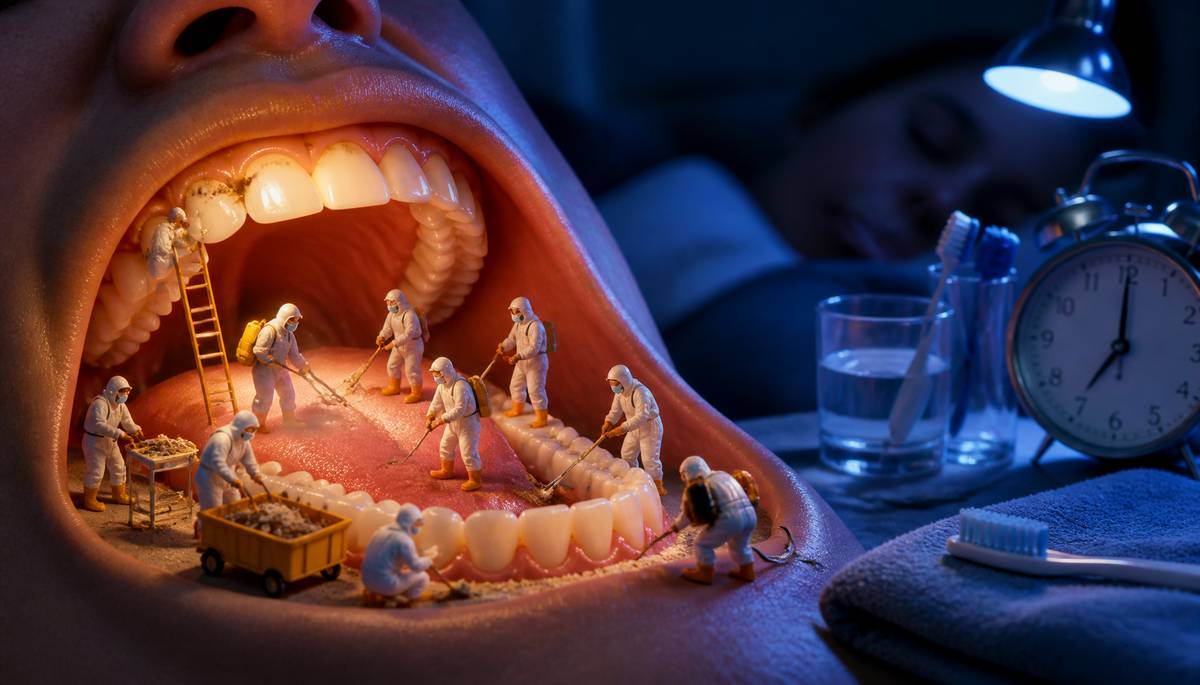 The mouth gets up to rather a lot while the rest of you is asleep.
You close your eyes, settle under the covers and, if all goes well, remain blissfully unaware of the small night shift taking place behind your lips. By morning, though, the evidence is often impossible to miss. Teeth may feel faintly furry or rough, as if they have been quietly dusted in the dark. The jaw can seem stiff, the tongue disapproving, and the breath less than sociable. It is a curious business: one body, eight hours of rest, and yet the mouth wakes as if it has been working overtime.
A good deal of this comes down to saliva, which is less glamorous than it deserves to be. During the day it performs a host of useful tasks without applause. It helps rinse away food debris, keeps the soft tissues comfortable, begins the digestive process, and, crucially, helps to neutralise acids produced by bacteria in the mouth. It is one of those modest servants upon whom the household quietly depends.
At night, saliva production tends to fall. The mouth is not abandoned altogether, but it is certainly left with less help than usual. With fewer of these natural rinses passing over the teeth and gums, bacteria have an easier time settling in. Plaque can build more readily, and the film that appears on the teeth by morning is often simply the result of several undisturbed hours in a drier, slower environment. That familiar morning taste and unpleasant breath fit neatly into the same picture. Bacteria break down particles left behind from the day and release compounds that are, frankly, not their finest work.
If you sleep with your mouth open, matters can become more dramatic. Mouth breathing allows moisture to escape, leaving the tongue, gums and inner cheeks feeling parched on waking. Teeth may feel oddly exposed or tacky, and the whole mouth can seem out of sorts. There are plenty of reasons this happens. A blocked nose is a common culprit, especially during colds, allergies or bouts of sinus trouble. Sleeping position may also play a part, as can the habit itself. Some people have no idea they spend the night breathing through their mouths until the morning dryness gives the game away.
This dryness does more than create discomfort. A dry mouth offers bacteria friendlier conditions than a moist one, and that can intensify the morning sensation of rough teeth and stale breath. It may also leave gums and soft tissues feeling irritated. One poor night’s sleep with a dry mouth is not usually a cause for alarm, but if it happens often, it is worth paying attention. Persistent mouth breathing can have consequences not just for comfort, but for oral health more broadly.
Then there is the less obvious possibility: grinding or clenching. While some sleepers lie peacefully as if painted into bed, others go at the night with far more determination than they realise. Teeth may be pressed together with surprising force for hours at a time. The person doing it is often entirely unaware until the morning brings its clues: a sore jaw, tender teeth, tension around the temples, or the unsettling sense that the bite feels slightly wrong.
This can be particularly puzzling, because nothing appears visibly amiss in the mirror. Yet the muscles of the jaw may have been hard at work all night, and overused muscles are rarely gracious by breakfast. Clenching does not always make a dramatic grinding noise; it can be silent and still leave the mouth feeling as though it has slept badly. Some people notice headaches or a sense of pressure around the face. Others simply feel that their teeth are strangely sensitive when they first wake.
If grinding or clenching happens regularly, it deserves more than a shrug. Over time it can wear down the surfaces of teeth, strain the jaw joint and damage fillings, crowns or other restorations. The effects may creep in slowly enough to escape notice, which is why recurring morning symptoms are worth mentioning to a dentist. A pattern that seems minor at home can reveal something more significant on examination.
Fortunately, not every strange morning sensation points to a looming problem. Quite a few vanish after the simplest of remedies. A glass of water can begin to restore moisture. Brushing removes the overnight build-up on the teeth. Once the mouth is hydrated and cleaned, the unpleasant coating often disappears, the breath improves and the general feeling of having hosted an unruly gathering overnight starts to lift.
What happens before bed matters rather a lot here. Good oral hygiene reduces the amount of food residue and plaque available to bacteria during the night. In plain terms, it leaves less for them to feast upon while saliva is off duty. Brushing thoroughly before sleep is one of the more useful acts of prevention, not because it creates some miraculous transformation, but because it quietly limits the conditions that make mornings feel grim.
Even so, there is a difference between ordinary morning mouth and symptoms that persist or worsen. Pain that lingers, marked tooth sensitivity, regular jaw discomfort, or a bite that seems changed should not be dismissed as mere sleepiness. Those signs call for professional assessment. The same is true of ongoing dry mouth, especially if it is frequent or severe. A mouth that regularly wakes unhappy may be trying to communicate something more specific than simple overnight neglect.
There is, perhaps, something faintly comic in the idea that while the mind drifts elsewhere, the mouth becomes a little ecosystem of chemistry, pressure, dryness and microbial ambition. Yet that is more or less the truth of it. The morning roughness of teeth, the stale breath, the stiff jaw or odd bite sensation are not random annoyances conjured out of nowhere. They are clues, small reports from the night shift, telling you how the mouth managed in your absence.
Most of the time, those reports are harmless enough and easily put right with water, a toothbrush and a bit of attention. But if the message keeps arriving, or grows sharper and harder to ignore, it is wise to listen. The mouth may be busy overnight, but it should not be battling its way to morning unaided.
Posted on 5 October 2026
When Food Keeps Getting Stuck In The Same Tooth, Your Mouth May Be Telling On You
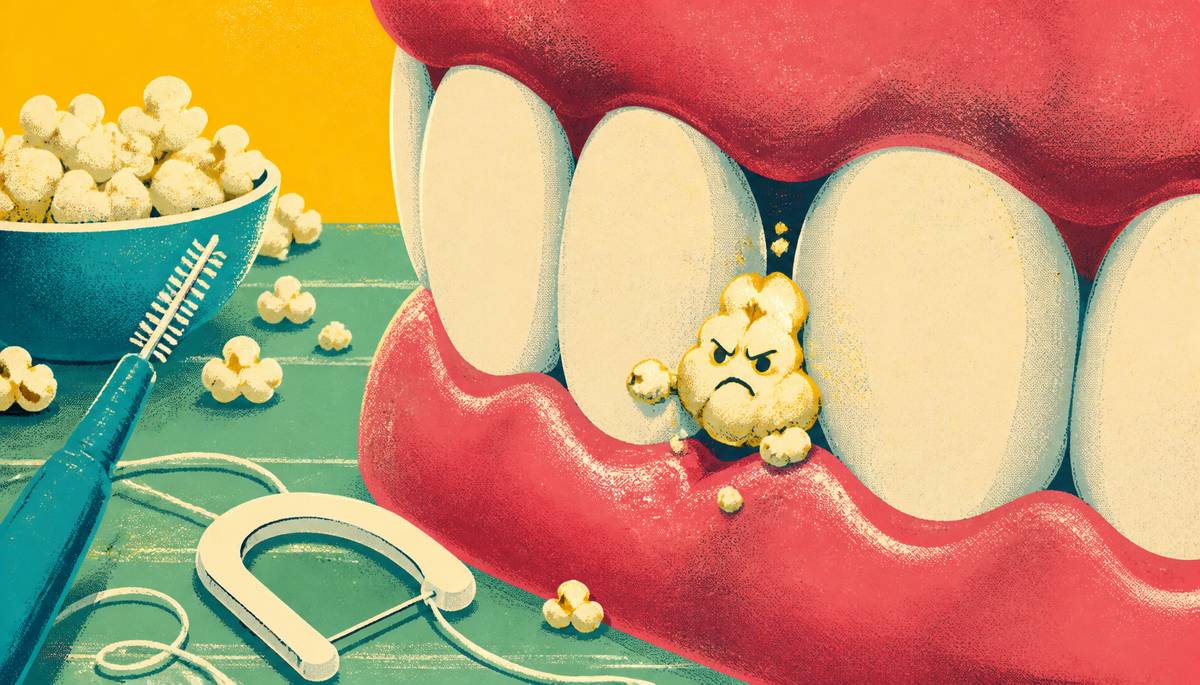 A stubborn bit of popcorn has a talent for behaving like an unwanted house guest: tiny, irritating, and oddly determined to stay. But if food keeps packing its bags and returning to the very same tooth, your mouth may be dropping a hint.
Small fragments of seed husk, fibrous meat and other scraps can lodge between teeth or tuck themselves under the gum edge. Sometimes you know at once. Sometimes it is just a nagging sensation, slight swelling, tenderness, or the feeling that something is forever camping there.
Part of the trouble is mechanical. The food presses on the gum like an ill-placed pebble in a shoe. Then bacteria join the festivities, feeding on the debris and making the area sorer and more inflamed if it is left alone.
The sensible approach is gentle rather than heroic. Floss or an interdental brush can often dislodge trapped bits, and a good rinse with water may shift smaller particles. What is less wise is going at the place with a pin, fingernail, fork, or some alarming object from a kitchen drawer. That can damage the gum and drive the culprit deeper.
Most cases are no more than a nuisance. Repetition is the important clue. If food always catches in one spot, a gap, a faulty filling, gum trouble or another dental issue may be inviting it in. That is the moment to let a dentist investigate.
Posted on 26 September 2026
The Strange Reason One Tooth Can Feel Elevated Without Actually Moving
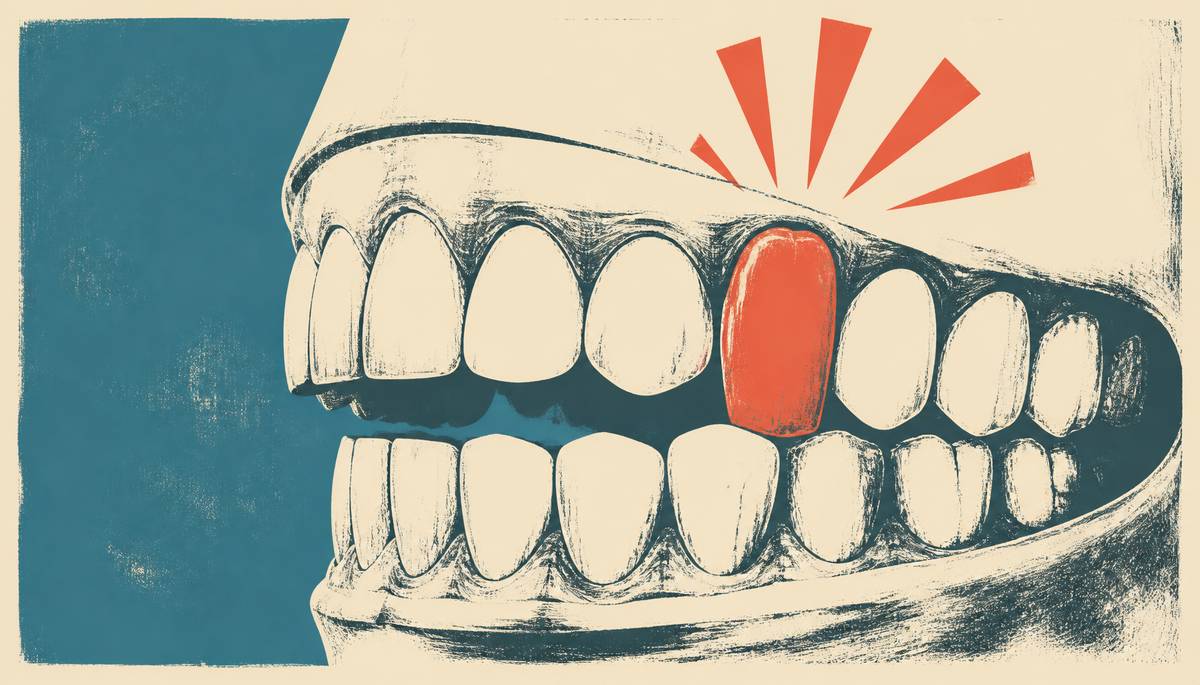 It is one of those oddly specific body dramas: a single tooth suddenly feels taller, bossier, as if it got ideas overnight. In most cases, it has not actually moved. What has changed is the way your bite is landing.
A recent filling or crown is a common culprit. Teeth are fussy about tiny differences, and even a slightly high restoration can make that tooth touch down before the rest. Dentists usually spot this quickly with marking paper and can smooth it so your bite feels normal again.
Inflammation can also create the illusion of height. If the tissues around a tooth are irritated, the tooth may feel raised, sore or strangely prominent when you bite. That is especially worth checking if there is swelling, tenderness or pain that is getting worse rather than better.
Then there is clenching and grinding, often during sleep, which can leave one tooth or the surrounding tissues feeling bruised by morning. Sometimes the first clue is simply that one tooth seems to be taking all the pressure.
Teeth do not need a dramatic incident to start feeling different. Wear, shifting bite patterns, damaged fillings and other gradual changes can sneak up on you. A brief odd sensation is not always serious, but if a tooth keeps hitting first, becomes loose, painful or sensitive, get it looked at. Your tongue and jaw are absurdly good at noticing the smallest mismatch.
Posted on 21 September 2026
Why Is Stress Eating Young People's Teeth?
 Your jaw, apparently, has joined the stress team. Not content with racing thoughts, poor sleep and that odd Sunday feeling, anxiety can now recruit your teeth as collateral damage.
Dentists say they are seeing more young people with bruxism: clenching, grinding, bracing or thrusting the jaw, often during sleep. Some studies suggest nearly one in four people do it, though many don’t realise until the clues appear: morning headaches, jaw stiffness, facial pain, worn or chipped teeth, sensitivity, tiredness, even earache near the temples.
Why there? Because stress nudges the body into fight-or-flight mode. Muscles tense, adrenaline rises, and the jaw — closely linked to the nervous system — can start doing its own frantic little workout overnight. Psychotherapists say younger clients increasingly connect grinding with periods of intense pressure or trauma.
The damage can be serious, though usually it builds over years. Dentists can track wear with 3D scans, and major repair work can run into the thousands. Still, bruxism isn’t purely villainous: in some cases it may help reopen an airway during obstructive sleep apnoea, and jaw movement also boosts saliva, which protects teeth.
Treatment works best when it looks beyond the teeth. Mouthguards can protect enamel, but sleep apnoea, anxiety, medication, lifestyle and pain all matter. Physiotherapy, CBT, exercise, better sleep habits and, in severe cases, Botox may help. The point isn’t just to stop the grinding. It’s to ask why your jaw has started shouting.
Posted on 16 September 2026
How Much Dental Plastic Is Actually Unnecessary?
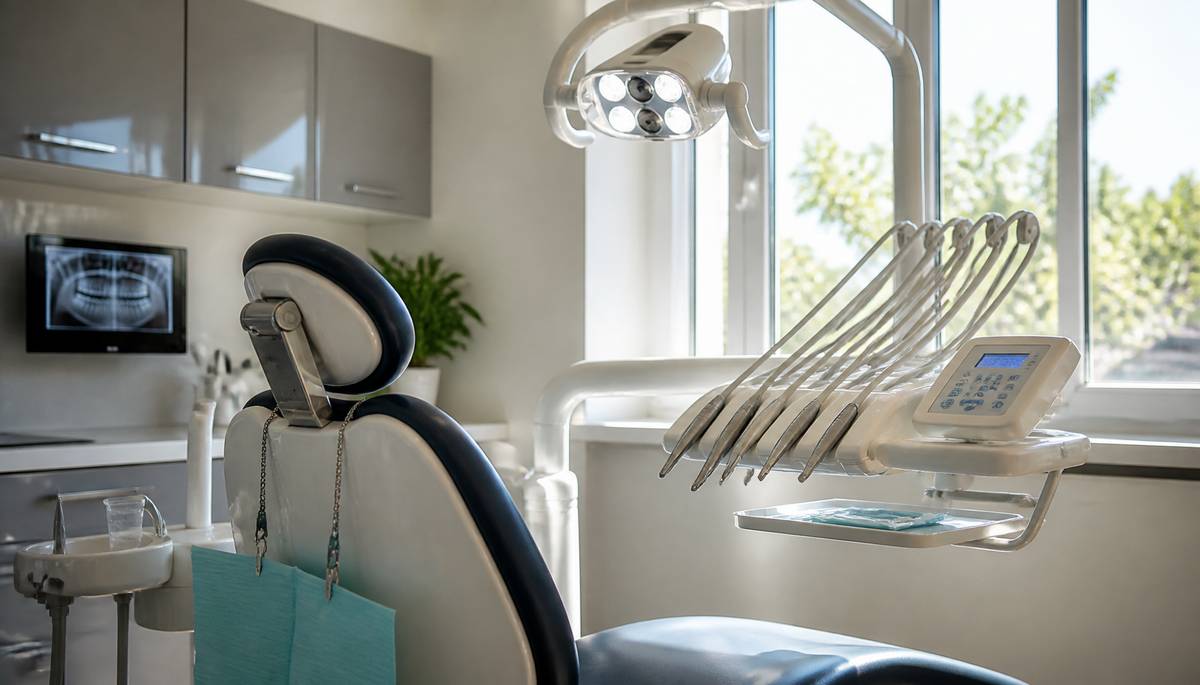 A dental surgery runs on plastic the way a server farm runs on coolant: quietly, constantly, often out of sight. Some of it is essential. Infection control is not optional, and neither is patient safety. But not every barrier sleeve, wrapper or disposable layer earns its place.
That is where the real question sits. Not how to strip dentistry back to some austere fantasy, but how to identify waste that adds nothing clinical. Research from dental practices in London found that cutting unnecessary single-use plastics led to measurable reductions in carbon emissions. That matters, especially in a setting where so much waste has long been treated as background noise.
Some of the smartest cuts are digital. Electronic records, digital X-rays, online forms and intraoral scanning can shrink the need for paper, printing materials and older physical workflows. Recent research on sustainable dentistry points to digital systems as one practical way to reduce environmental impact without lowering standards.
Then there is the machinery behind the scenes: LED lighting, equipment that is switched off sensibly, modern dry vacuum systems, tighter stock control and fewer, larger deliveries. Less energy. Less water. Less packaging. Fewer supplies expiring untouched in a cupboard.
Sustainable dentistry, done properly, is not about compromise. It is about removing the unnecessary while keeping the clinical line bright and intact. No one wants the drill powered down for the planet halfway through a filling.
Posted on 9 September 2026
Comfort Changed Dentistry More Than Pain Relief Alone
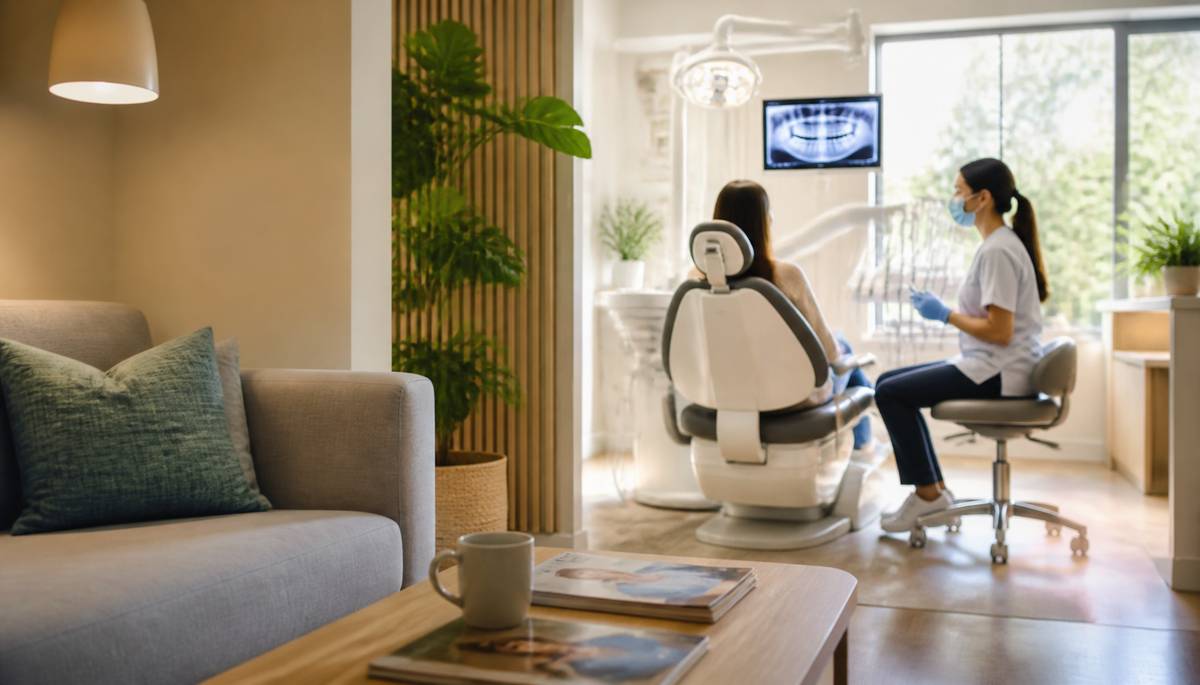 What has transformed dentistry most decisively is not pain relief alone, but the wider civilising influence of comfort. People once braced themselves for the dentist in the spirit of grim necessity; now they increasingly expect skill and ease to arrive together.
Better local anaesthesia has plainly helped. Modern methods can lessen discomfort during treatment, and a careful dentist can make even the injection itself far less daunting. For some patients and some procedures, sedation may also be an option, which matters enormously when anxiety is the real tormentor.
Yet comfort begins long before anyone reclines in the chair. A softer, calmer waiting room, decent seating and gentler lighting may sound like decorative trifles, but they can lower the emotional temperature of an appointment before it starts. That is no small thing.
Then there is communication, the often-neglected anaesthetic of the mind. Knowing what is about to happen, agreeing a signal to pause, having the chance to ask questions or take a break: these restore a sense of control that fear so often steals.
Technology has also done its bit. Digital scans can spare some patients the misery of traditional impressions, while improved instruments and techniques may make treatment quicker and less intrusive.
No one is likely to rank a dental visit above lunch with friends. Even so, when discomfort and dread are reduced, regular care becomes far easier to face and far less easy to postpone.
Posted on 4 September 2026
The Bali Veneer Bargain That Can Haunt You Years Later
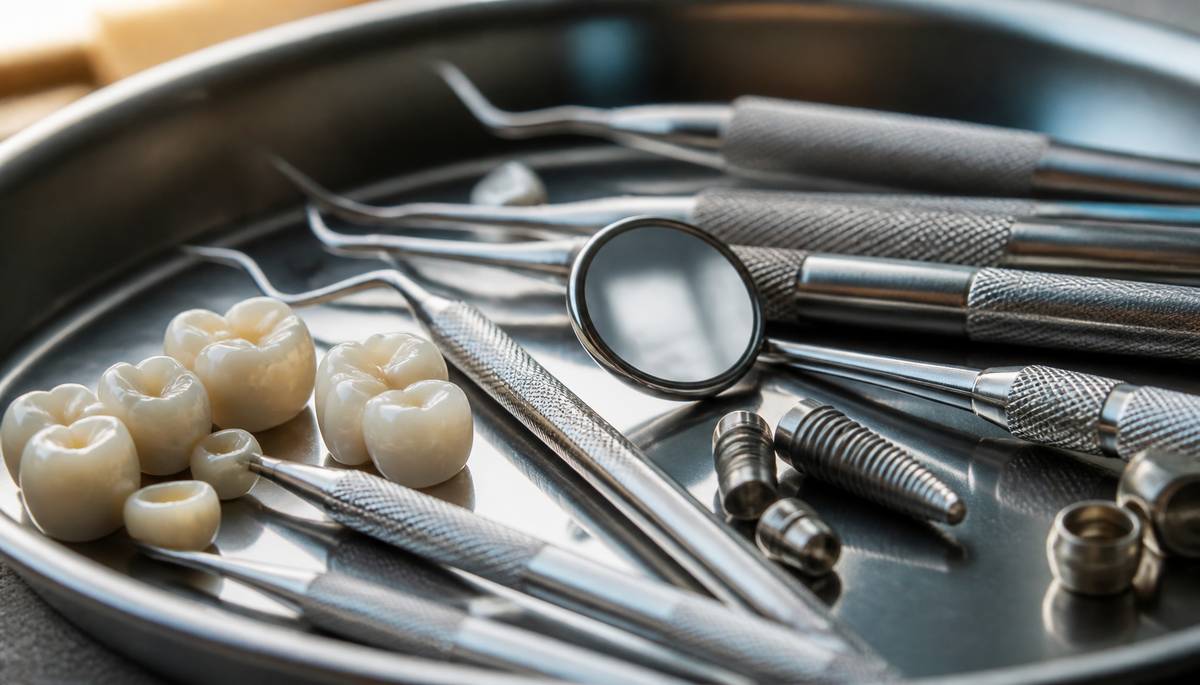 A cheap smile makeover in Bali can look brilliant on Instagram and still become a costly problem years later. That is the warning from Sydney dentist Dr Reuben Sim, who says the real risk is not simply where treatment happens, but how quickly complex dentistry is packed into a short holiday.
Veneers, crowns, root canals and implants are not one-off beauty treatments. They demand diagnosis, planning, proper consent, and follow-up. Teeth and gums do not obey flight schedules. If healing runs behind, or the biological response is poor, the consequences may only appear weeks or even years later.
That delayed fallout is the heart of the issue. Infection, sensitivity, nerve damage, gum trouble, implant failure, and cracked crowns or veneers may not show up straight away. By then, the bargain can sour. Many Australian dentists are hesitant to repair work done overseas because they may not know what materials were used or whether implant systems meet Australian standards.
The savings are real. One Gold Coast man paid $750 in Bali for eight composite veneers after being quoted $4,000 to $8,000 in Australia, and he says he is thrilled with the result. But a good outcome for one patient is not a guarantee for the next.
The smart question is not just “How much will I save?” It is “Who fixes it if something goes wrong?” Posted on 29 August 2026
The Real Dental Breakthrough Isn't A Procedure-It's Patient Education
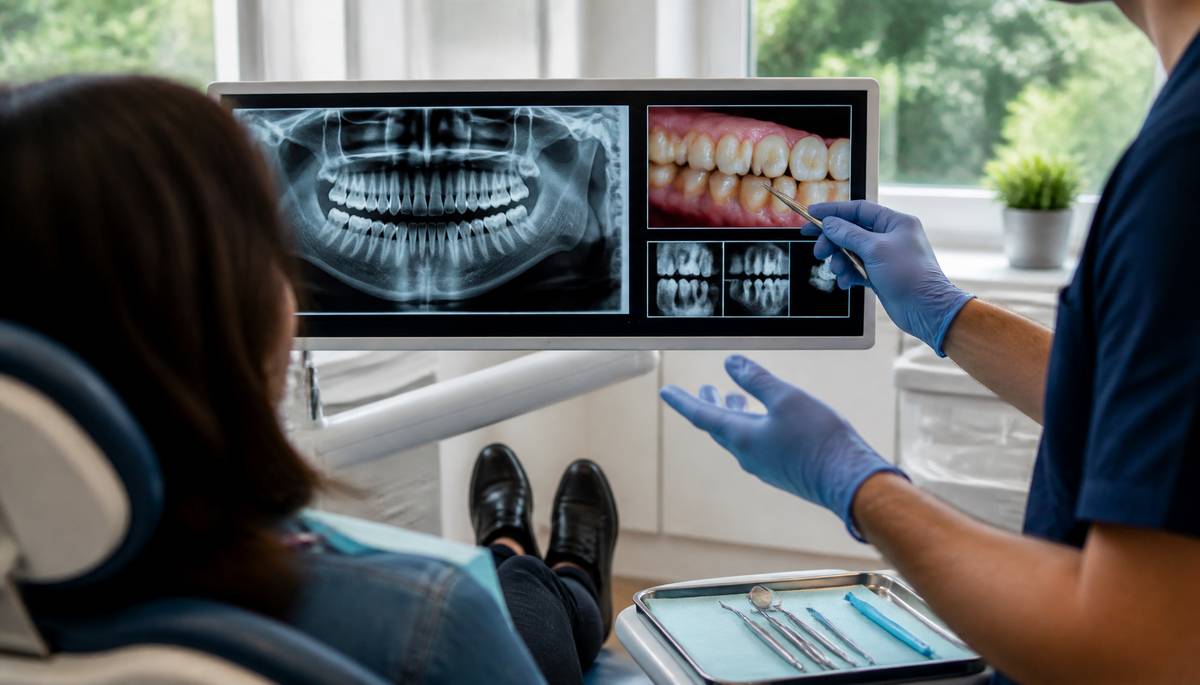 The biggest advance in dentistry may not be a shiny bit of kit or a clever procedure. It may be the moment a patient actually understands what is happening in their own mouth.
That matters because advice works better when it is specific. “Brush more” is flimsy. Showing someone how technique, timing, flossing and diet affect teeth and gums is far more useful. A decent explanation can turn a vague intention into a daily habit, which is less dramatic than a root canal but often more valuable.
Prevention sits right in the middle of this. People are more likely to attend routine check-ups and hygienist visits when they understand the point of them: catching small problems early, before they become painful, awkward or expensive. Knowing the first signs of gum disease or decay can also prompt people to seek help sooner, which is half the battle and possibly three quarters of the relief.
Education matters just as much once treatment is on the table. Dentistry now offers several routes for the same issue, including restorative work, cosmetic options and ways to replace missing teeth. Patients need clear explanations of benefits, drawbacks, cost and likely results.
Technology helps. Digital X-rays, scans and photographs let people see the problem, not just hear about it. And that small shift changes everything: the patient stops being a passenger and starts becoming part of the plan.
Posted on 16 August 2026
Stop Waiting For Pain: The Expensive Myth Behind Reactive Dentistry
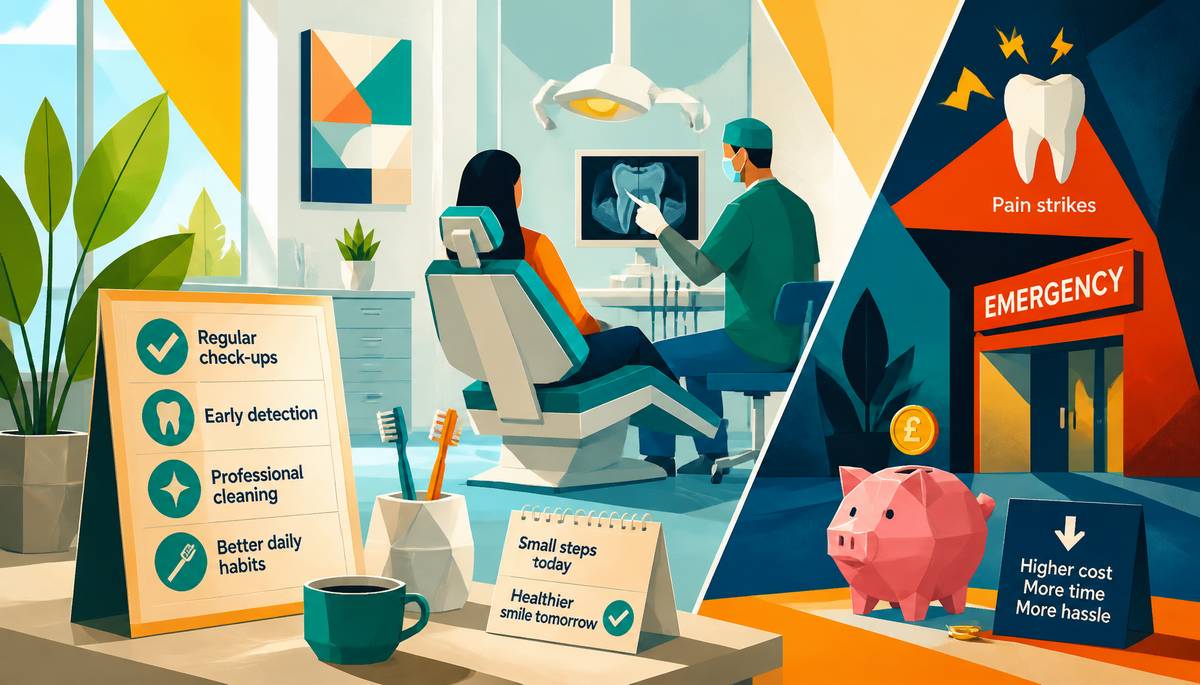 Most of us treat the dentist a bit like an MOT you’d rather fake your own death than attend. Fine, until a tiny problem has been sitting there quietly fermenting into something pricier, longer and far less charming.
That is the costly fantasy behind reactive dentistry: the idea that if nothing hurts, nothing’s wrong. Teeth, annoyingly, do not always send up a flare at the early stages. Decay can start without fanfare. Gum disease can creep in politely. Fillings can weaken. Teeth can wear down so gradually you barely clock it.
Regular check-ups matter because they give a dentist the chance to spot these things before they turn theatrical. Early treatment is often simpler and less invasive. Sometimes the smartest move is not to leap in with a drill, but to keep an eye on an area over a few visits and act only if it changes.
Hygiene appointments earn their keep too. Professional cleaning removes build-up that ordinary brushing can miss, and the advice is practical rather than preachy: better brushing, interdental cleaning, small habits repeated daily. Boring, perhaps. Effective, absolutely.
None of this means emergencies vanish. Teeth can still surprise you. But preventing trouble, or catching it early, may mean fewer appointments, less recovery time and lower costs. A far better arrangement than waiting for pain to start barking orders.
Posted on 12 August 2026
Your Gums May Be Saying More About Your Health Than You Think
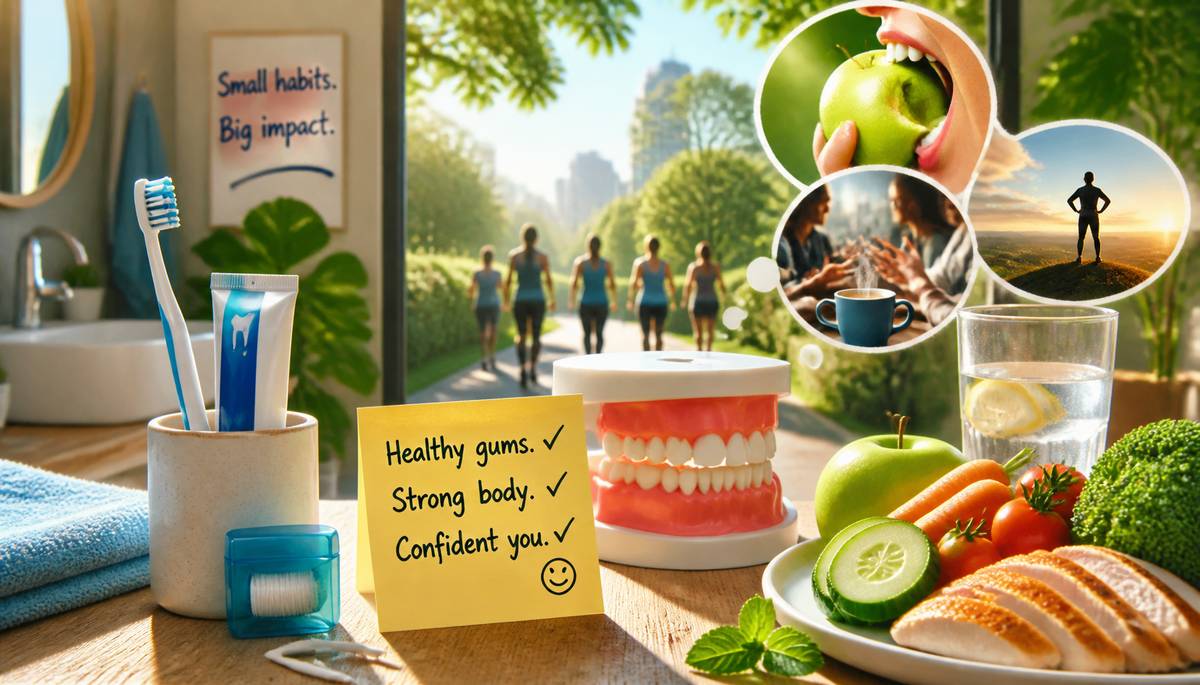 Your mouth is not a sealed little side project. It reports in.
Gums in particular can be surprisingly chatty. If they’re sore, bleeding or inflamed, it may not just mean you’ve been a bit casual with the floss. Poor oral health is linked with a higher risk of certain wider health problems, which makes gum care less of a cosmetic flourish and more of a sensible life admin task.
There’s also the matter of food. Healthy teeth make chewing easy, which means apples, crunchy veg and lean proteins stay firmly on the menu. If your mouth hurts, you tend to negotiate with your diet. Softer, easier foods creep in. Balance can creep out.
Then there’s confidence, which is not nothing. If you’re worried about your teeth, or persistent bad breath keeps barging into the room before you do, smiling and speaking can become oddly tactical. That can affect social life, work, even how much of yourself you bring into a conversation.
The good news is the fix is mostly unglamorous and effective: brush twice a day with fluoride toothpaste, clean between your teeth, eat well and turn up for routine dental appointments. Basic, yes. But so is breathing, and that’s been useful.
A healthy mouth supports comfort, nutrition, self-belief and general wellbeing. Your gums may not make speeches. They do, however, leave notes.
Posted on 3 August 2026
It's Not Too Late: The Decades-Delayed Smile Fix Adults Are Finally Choosing
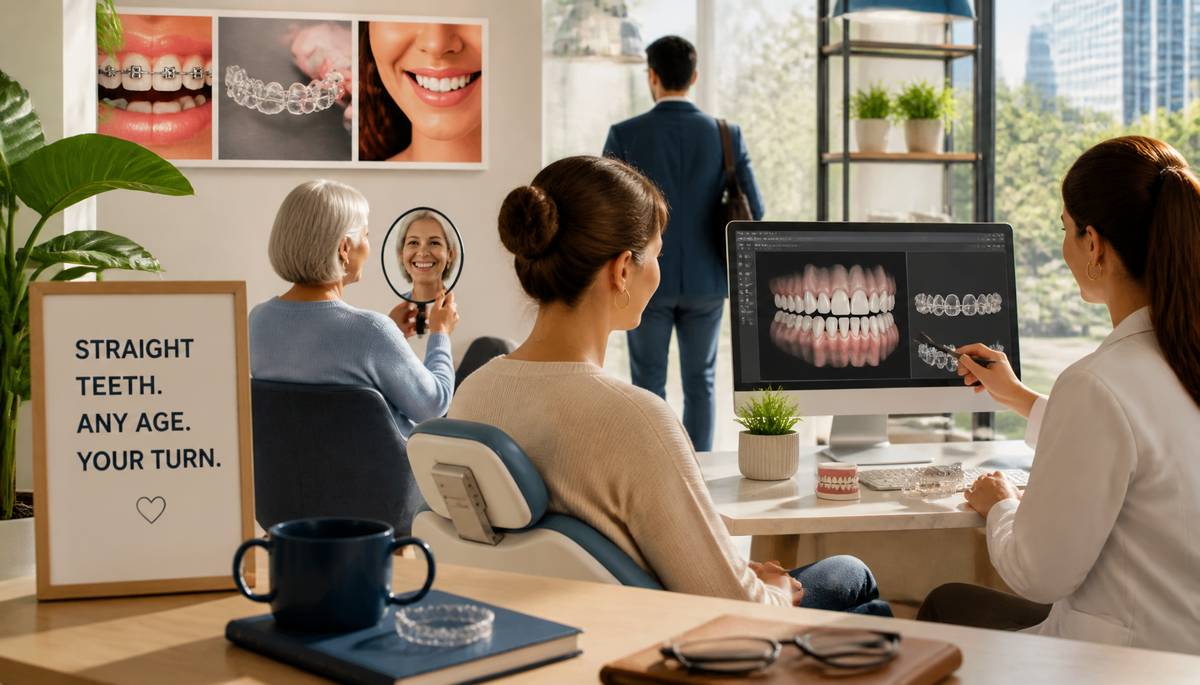 Braces used to feel like a teenage rite of passage, somewhere between bad fringes and emotional damage. Not any more. In 2026, adults are booking orthodontic treatment in growing numbers, from office workers with back-to-back meetings to retirees finally tackling the thing they meant to sort out 30 years ago.
A lot of that comes down to discretion. Clear aligners and subtler braces have changed the mood entirely. People can straighten their teeth without feeling like they’ve arrived at a client presentation looking 14.
But vanity isn’t the whole plot. Teeth that are crowded or wonky can be harder to clean properly, which may raise the risk of plaque build-up and gum trouble. Fixing bite problems can also ease discomfort, help prevent uneven wear and make chewing feel less like a negotiation.
Older patients, especially retirees, are part of this shift for practical reasons as much as cosmetic ones. More time, fewer schedule battles, and often the financial breathing room to deal with something long postponed. It helps that modern treatment is generally more comfortable and predictable than it used to be.
Still, no smile is a standard issue. Before starting anything, an orthodontist needs to assess tooth position, jaw alignment and overall oral health to work out the best route.
The short version? A straighter smile isn’t reserved for adolescence. Plenty of adults are deciding it’s finally their turn.
Posted on 29 July 2026
Why Is The Ultra-White Hollywood Smile Suddenly Falling Out Of Fashion?
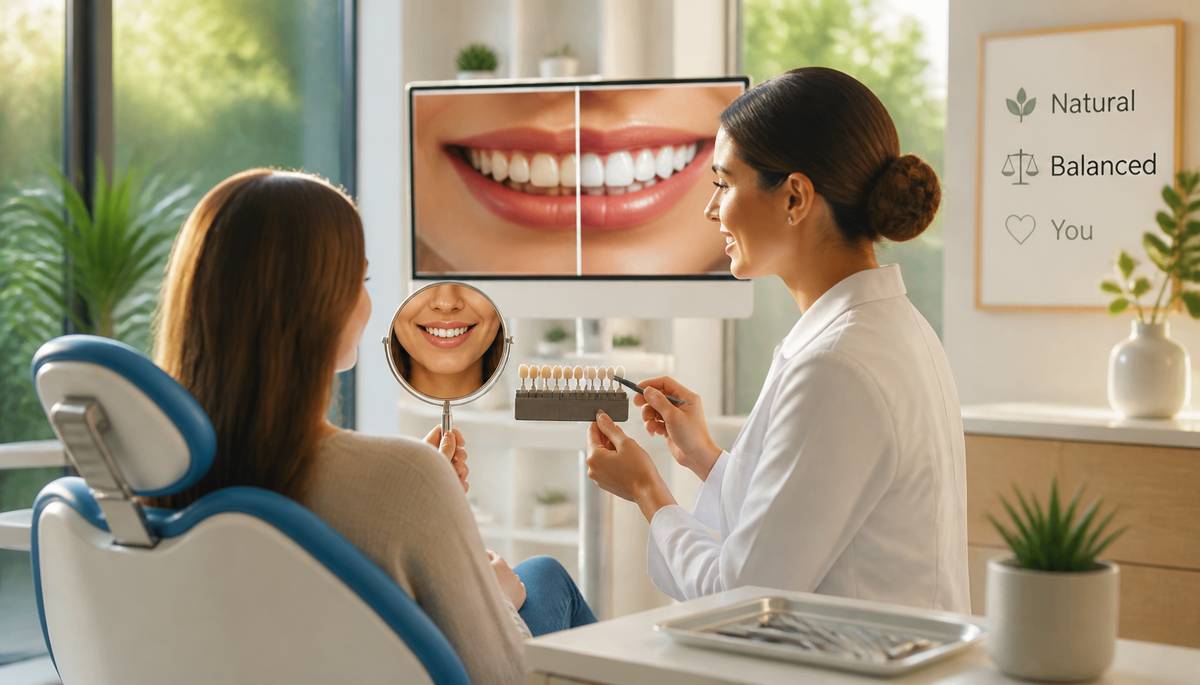 The blinding, blue-white smile is losing its grip because taste has shifted. People still want better teeth, but fewer want a mouth that looks edited.
Cosmetic dentistry hasn’t slowed down; it has become more restrained. Patients are asking for smiles that suit their face, age and colouring, not a flat, dazzling uniform white. Healthy-looking shades, slight tweaks to shape, and softer alignment are often more appealing than a dramatic overhaul. The aim is polish, not spectacle.
That change says something larger about beauty. There is less appetite for obvious work and more interest in looking refreshed while still looking like yourself. A smile can be brighter and more even without announcing the treatment from across the room.
Dentists are responding with options that refine rather than erase character: whitening that lifts the colour without pushing it too far, veneers designed with care, cosmetic bonding, and subtle orthodontic treatments. Often, small corrections make the strongest difference.
There is also a practical reason for the move away from the Hollywood look. Many patients care more about protecting natural tooth structure, so minimally invasive treatments have become more attractive. Keeping as much enamel as possible matters.
Social media helped popularise cosmetic dentistry, but it has also exposed people to more realistic results. Perfect is no longer the only aspiration. Balanced, healthy and believable now wins. Posted on 24 July 2026
The Boring Secret Behind Cheaper, Safer Dental Products Worldwide
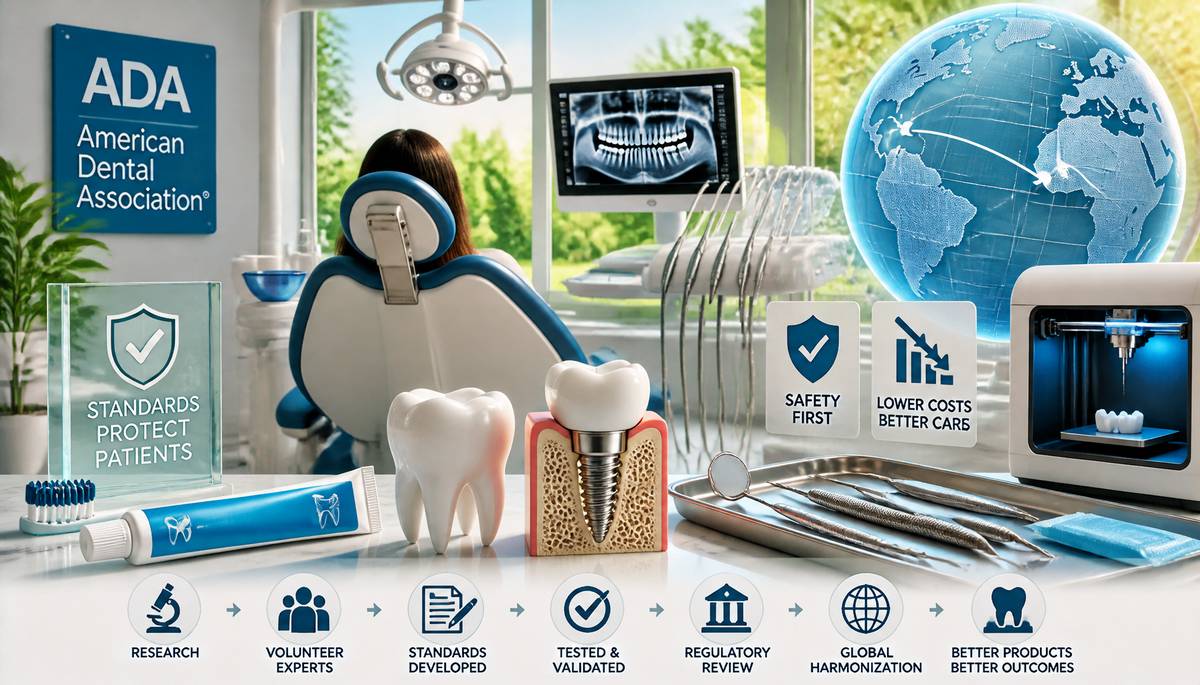 Cheaper toothpaste, safer implants, fewer nasty surprises at the dentist: the secret is not glamour. It’s standards.
In the US, this started in 1917, after the Army realised soldiers’ teeth were in terrible shape and needed dental materials in bulk. Research on amalgam led to the first American Dental Association standard in 1926. That dry bit of bureaucracy helped produce fillings that were tougher and longer-lasting. Not sexy. Very useful.
A century later, the ADA has built hundreds of standards covering everything from instruments and infection control to implants, toothbrushes, digital records and 3D printing. More than 500 volunteers from practice, industry, government and universities now work across 100-plus groups. The point is simple: set clear rules for safety, performance and testing before products reach patients.
That matters for cost too. Since the ADA became an ANSI-accredited standards developer in 2000, its process has had to meet strict rules on openness and consensus. Regulators, including the FDA, can then use those recognised standards to review products more efficiently. Less duplication. More predictability. Lower friction.
And globally, the ADA helps shape the US position in ISO dental standards, which makes trade easier and cuts repeat testing across borders. That can mean more choice and lower prices for clinicians and patients.
The best standard is the one you never notice. It just quietly stops bad products, confusion and wasted money. Posted on 14 July 2026
Why Is Unflavored Toothpaste Suddenly So Seductive?
 Unflavoured toothpaste sounds faintly dystopian, like giving up and brushing your teeth with restraint. And yet it suddenly makes a strange kind of sense.
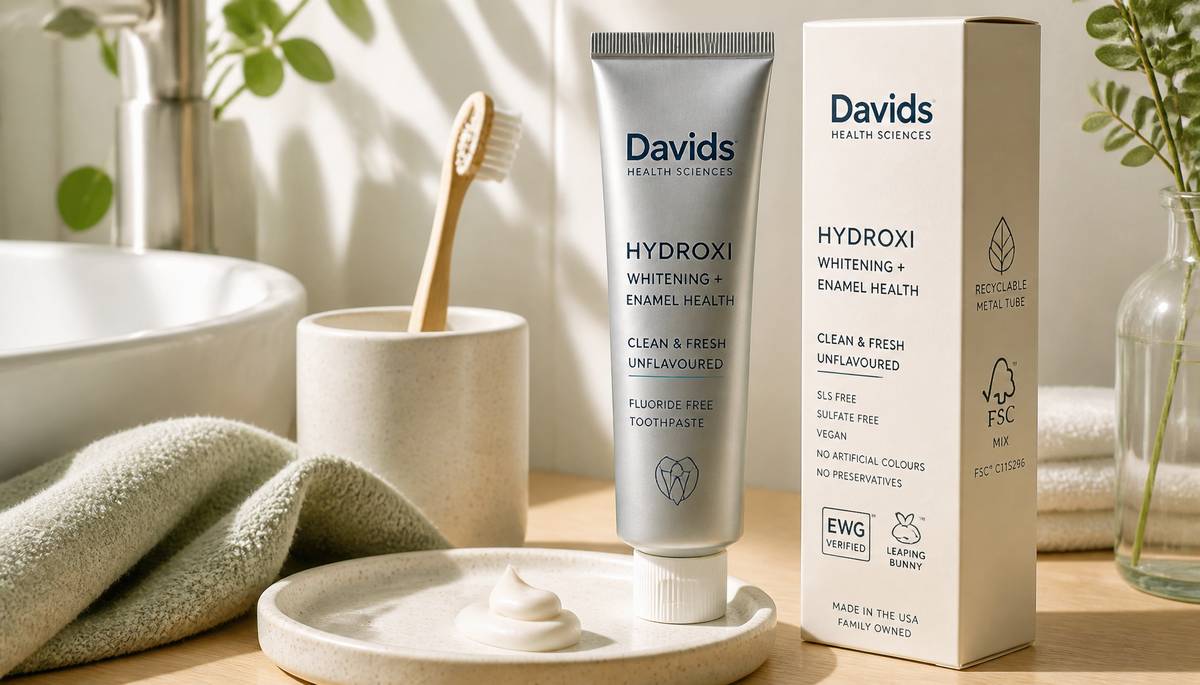
Davids Health Sciences has just launched a fluoride-free, unflavoured toothpaste called Hydroxi Whitening + Enamel Health Clean & Fresh Unflavoured, priced at $9.95. It’s aimed at people who’ve had enough of daily life shouting at them, including, apparently, their toothpaste. No mint blast. No essential oils. No theatrical freshness. Just brushing.
The formula uses the company’s nano-hydroxyapatite technology, a synthetic version of the mineral found in tooth enamel, to support remineralisation, enamel strength, whitening and plaque removal. If fluoride-free toothpaste usually makes you suspect compromise, that’s clearly the anxiety this product is trying to soothe.
What’s interesting is the mood behind it. This isn’t only about ingredients, though it is SLS-free, sulfate-free, vegan, free from artificial colours and preservatives, and carries EWG VERIFIED and Leaping Bunny certifications. It’s also about fatigue. Too much flavour, too much scent, too much fuss. Some people would rather taste their morning coffee than a peppermint chemical event.
Even the packaging is trying to behave itself: a recyclable metal tube with a food-grade lining, FSC Mix-certified carton, made in the US by a family-owned independent brand.
Apparently, less really is more. Annoyingly, they may be right.
Posted on 9 July 2026
A Possible Third Dentition
 To lose a tooth has long seemed one of the small irreversibilities of earthly life: childhood grants us a second chance, and then the account is closed. Yet a Japanese research program suggests the ledger may not be so final.
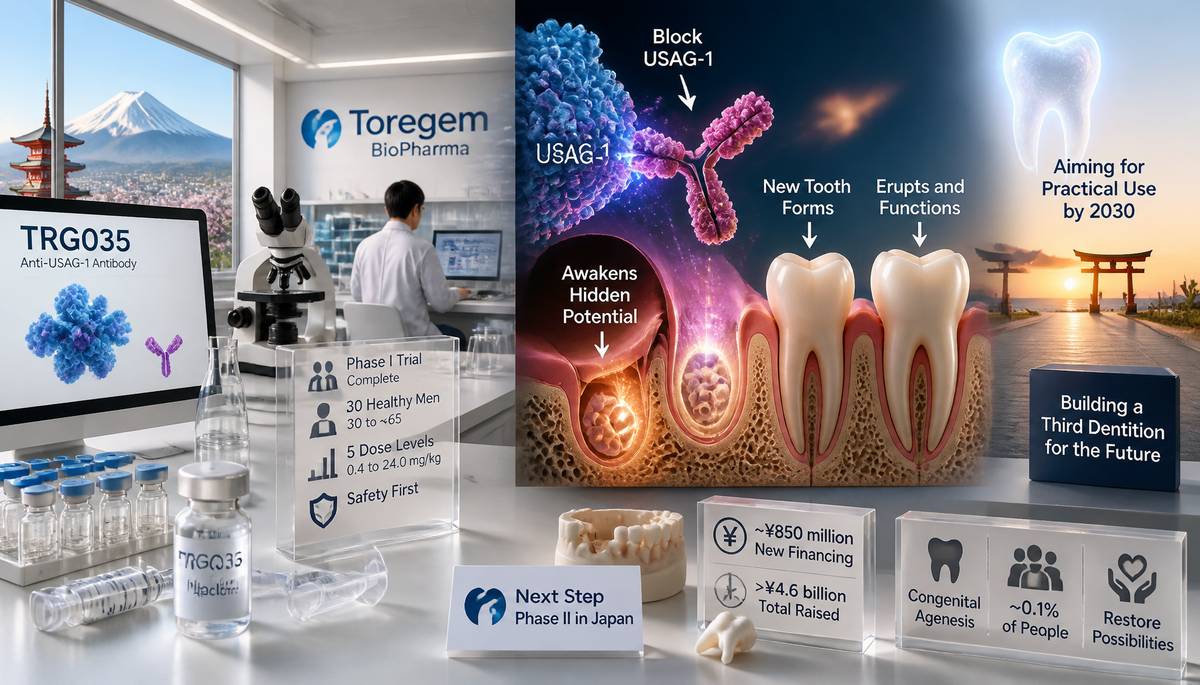
The work centers on USAG-1, a protein involved in tooth development. In mice, blocking it altered tooth number, as shown in a 2021 Scientific Reports study, and later experiments produced new teeth. The question now is whether the same hidden capacity can be safely summoned in humans.
That effort has advanced to TRG035, developed by Toregem BioPharma. Japan’s national clinical-trials registry lists the first human study as complete: a Phase I, single-dose, dose-escalation trial in 30 healthy men aged 30 to under 65, each missing at least one molar. Five dose levels, from 0.4 mg/kg to 24.0 mg/kg, were tested, with safety as the chief aim.
This is progress, but not yet proof of useful tooth regrowth in people. A 2023 Regenerative Therapy paper called anti-USAG-1 antibody research a possible breakthrough; a 2026 review in Stem Cell Reviews and Reports was more guarded.
The first likely use is not routine tooth loss, but congenital agenesis, especially severe hypodontia or oligodontia: the absence of six or more permanent teeth, affecting about 0.1 percent of people. Toregem, backed by about ¥850 million ($5.3 million) in new financing and more than ¥4.6 billion ($29 million) total, is aiming for Phase II in Japan and practical use by 2030—if a true third dentition can be made to appear, erupt, and serve. Posted on 3 July 2026
What Top New Jersey Dentists Say Your Teeth Have Been Trying to Tell You
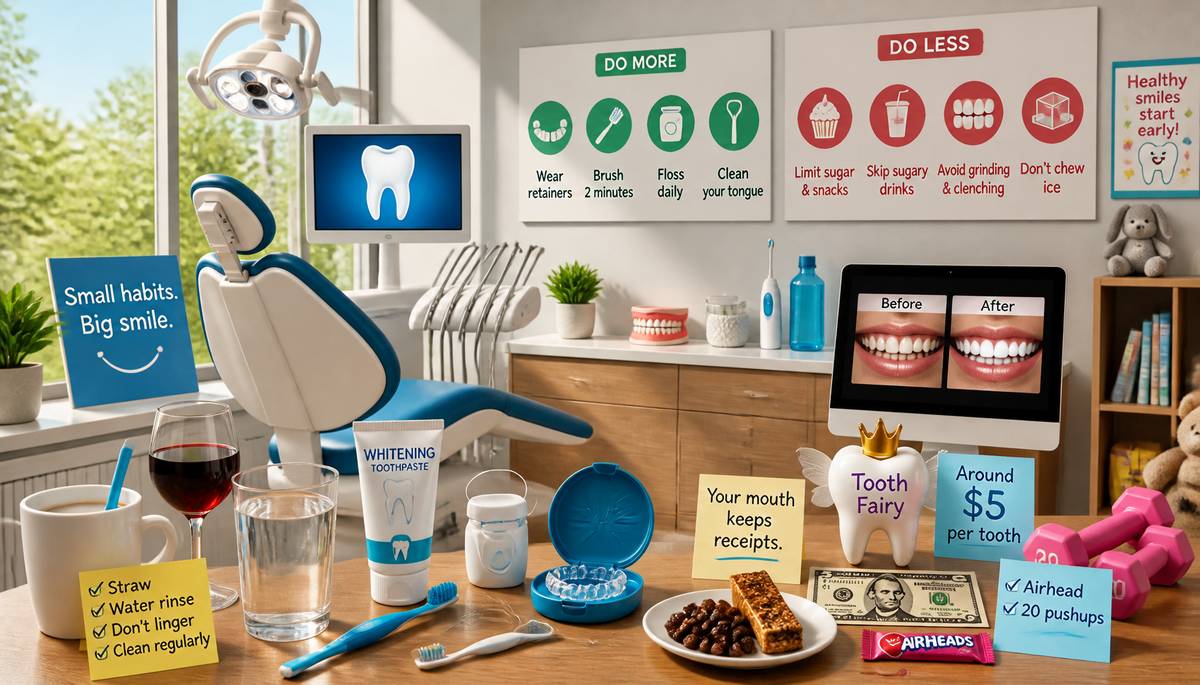 Dentists can make oral health sound simple, but the subtext is basically this: your mouth keeps receipts. New Jersey’s 2026 Top Dentists list names 623 dentists across 11 specialties, and their advice lands on one theme—small habits either save your teeth quietly or wreck them slowly.
Nightly retainers matter because teeth keep shifting with age. Brushing after meals, snacks, and coffee helps, and two full minutes still counts as the minimum. Daily flossing remains the big one; as one surgeon put it, without it you’re cleaning only about half your teeth. Brushing should hit the gumline at a 45-degree angle with a soft brush, and a tongue scraper can cut bacteria and bad breath.
The stealth troublemakers are constant snacking, sugary drinks, dried fruit, granola bars, smoothies, ice chewing, and stress-related clenching or grinding. Even organic sugar still behaves like sugar.
Cosmetic work, the dentists suggest, should look natural, not shout for attention. Whitening, Invisalign, bonding, and subtle reshaping can help, especially when paired with careful research, strong communication, and digital mock-ups.
Coffee and red wine fans can limit stains with straws, water rinses, less lingering, whitening toothpaste, and regular cleanings.
For kids, early, low-drama visits help. And yes, the tooth fairy market seems to hover around $5 per tooth—though one family adds an Airhead and 20 pushups, while another heard of a $100 payout. Posted on 1 July 2026
An Engineering Degree With Bite
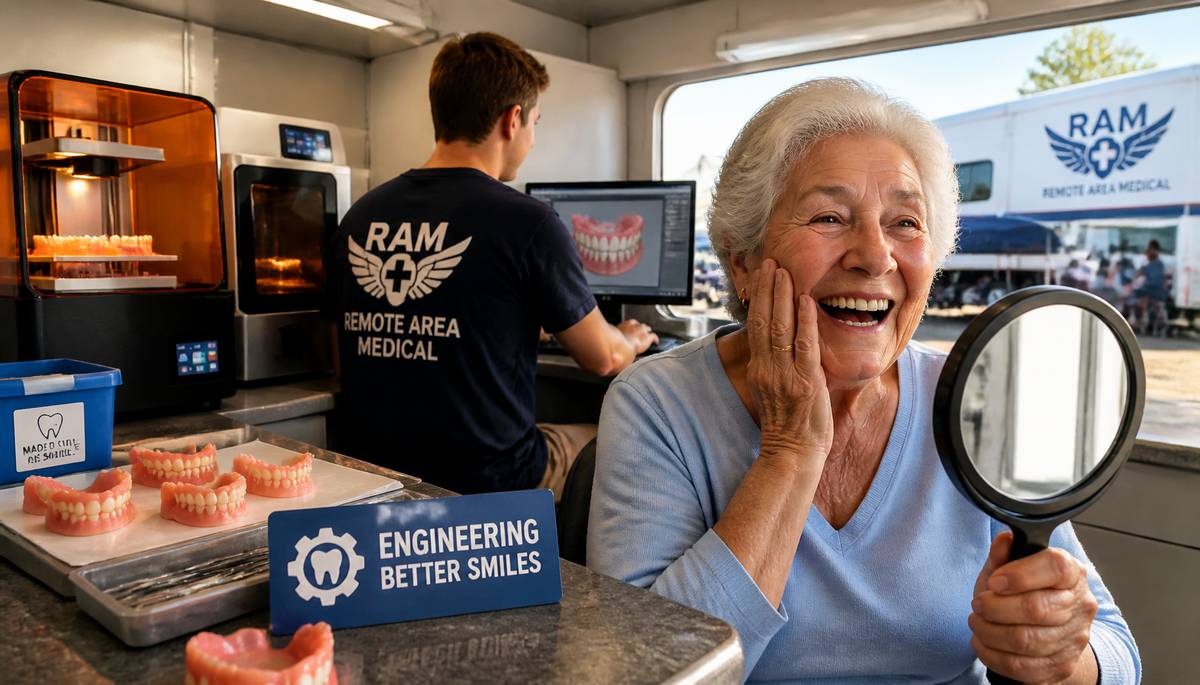 A denture is a weird kind of engineering project. It’s tiny, personal, and if you do it right, someone smiles at a mirror like it just told a good joke.
Connor Gibson, 22, discovered that while studying engineering at Walters State Community College in Tennessee and volunteering with Remote Area Medical, the nonprofit that runs free mobile clinics for dental, vision, and medical care across the U.S. Somewhere between community college and community service, he found a use for CAD that wasn’t a bridge or a robot. It was teeth.
At first, he knew little about dentistry or 3D printing. So he taught himself how to design dentures from a patient’s anatomy using specialized software, studying manuals, videos, and anything else he could find. Vendors brushed him off at 3D-printing conventions, which is a funny place to be told your idea has no bite.
Now he serves as RAM’s dental technology manager and spends nearly every weekend in its mobile digital denture lab. Using two 3D printers he obtained through grants, he can produce up to 35 pairs a week and cut wait times from about three months to a few hours.
He has already helped fit thousands of patients, many from underserved communities. His favorite part is the mirror moment: people, often elderly, seeing their new smile and sometimes crying. For Gibson, that reaction became the bigger picture of what an engineering degree can do.
Posted on 27 June 2026
The Smile in the Dark: What Washington’s Teeth Reveal
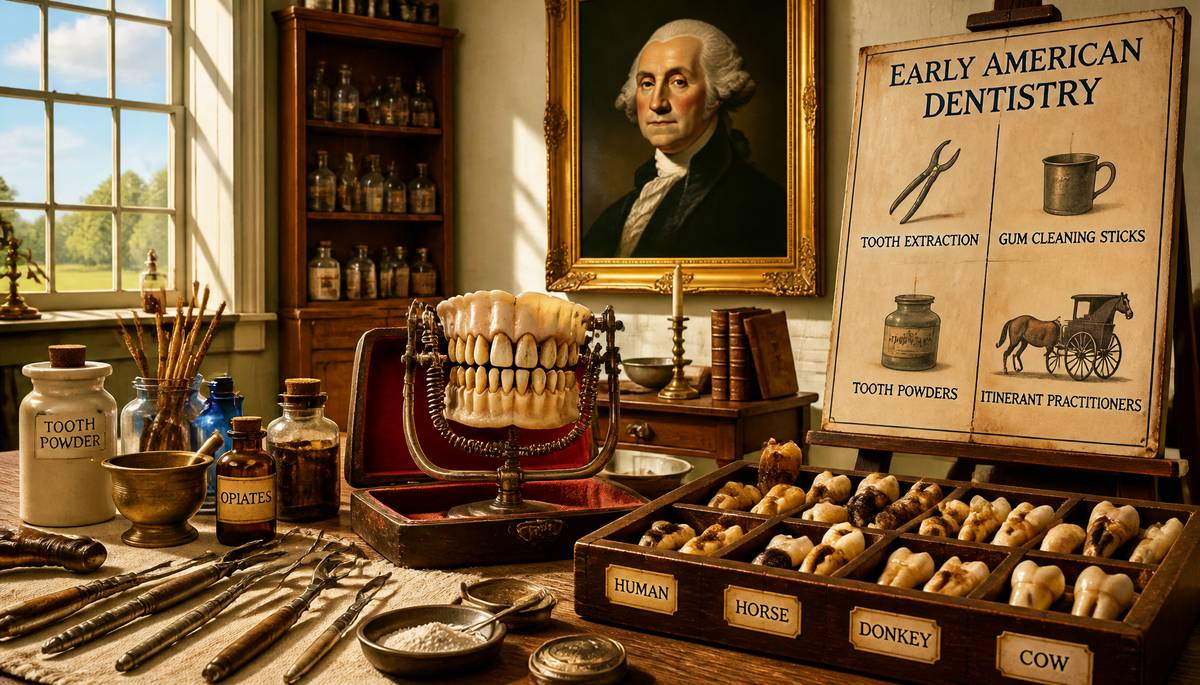 George Washington never wore wooden teeth. The truth had a nastier shine. By his inauguration in 1789, at 57, the man had one natural tooth left, after years of decay, toothache and loss that started in his early 20s.
At Marquette University School of Dentistry, Dr. Peter Jacobsohn, Dent ’62, former professor and emeritus curator of the dental museum, points to Washington’s mouth as a grim map of early American dental care. Several dentists claimed him and built dentures by hand from bone, elephant ivory, or metals including lead. One gold set, Jacobsohn recalls, vanished from the Smithsonian in the 1980s. The appliances used springs to force the jaws apart, so Washington had to bite down to keep them closed. Their teeth could be human, horse, donkey, or cow.
That was luxury. In the Revolutionary era and years after, dentistry was mostly a trade practiced by itinerant craftsmen and some physicians moving from town to town by horse and buggy, pulling teeth and sometimes attempting fillings with gold foil, wax, or metal mixtures. Hygiene was thin stuff: gum-cleaning sticks, tooth powders from apothecaries, almost no toothbrushes. Infection and periodontal disease were poorly understood. For most people, treatment meant extraction, usually without anesthetics; opiates, alcohol, and home remedies stood in until the 1840s.
Dentistry became a profession around then. The Baltimore College of Dental Surgery opened in 1840, and real progress accelerated after the Civil War when bacteria were identified as causes of disease.
Posted on 20 June 2026
How Marathon Man Turned an Old Dental Fear Into Pop-Culture Legend
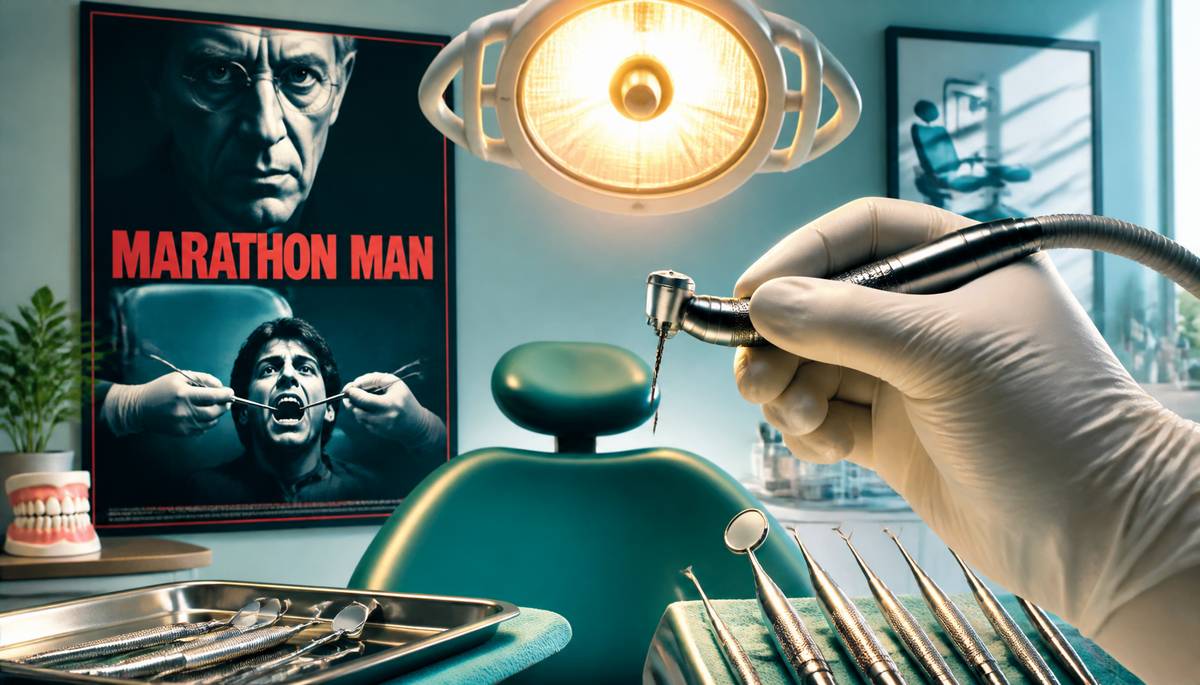 Nearly half a century on, Marathon Man still hovers over dentistry like a malevolent ceiling lamp. The 1976 thriller’s most infamous moment features Laurence Olivier’s Christian Szell, a Nazi war criminal, using dental tools and a drill on Dustin Hoffman’s character without anesthetic. It remains a remarkably efficient machine for making audiences grip their armrests and reconsider routine appointments.
But blaming the film for dental fear is rather like blaming rain for umbrellas. Anxiety about dental treatment was well established before Marathon Man arrived. Surveys from both before and after 1976 found that many people already linked the dentist’s office with pain, helplessness, and the peculiar indignity of surrendering control while someone peers into your mouth under a light bright enough to interrogate planets.
What the film appears to have done is give that older fear a memorable emblem. The dental chair is not exotic; it is ordinary, familiar, and therefore far more useful to terror than any monster. In the 1970s, when rougher and less refined dental procedures were still within living memory, the scene likely felt disturbingly plausible.
Its afterlife matters. People who have never watched Marathon Man often still know Is it safe, or meet references to the sequence in discussions of dental phobia. The film probably did not invent the fear. It gave it a face, a drill, and excellent lighting.
Posted on 16 June 2026
The Best Time to Brush, If Coffee Is Nonnegotiable
 Coffee inspires a particular kind of morning optimism, but dentistry would like a quiet word about the sequence.
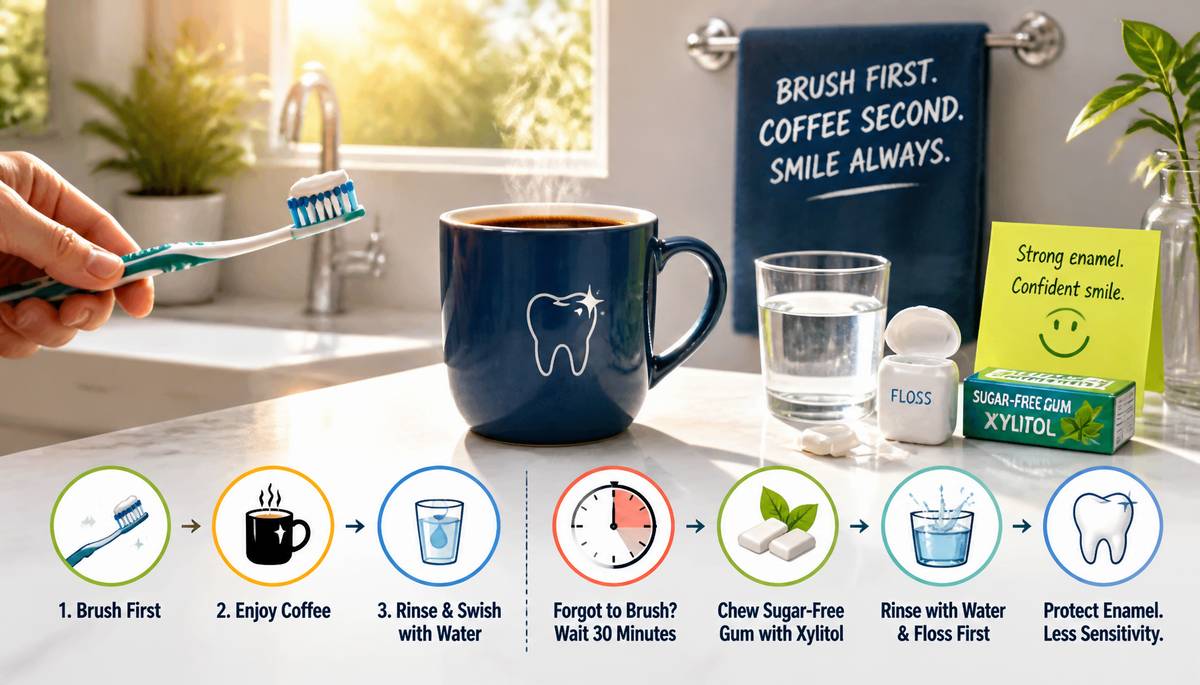
The better move, dentists say, is to brush before the first sip, not after. Christina Meiners of CommuniCare Health Centers in San Antonio says a freshly brushed mouth has less plaque, which means fewer places for coffee’s pigments to cling. Coffee also brings acid to the party, and that matters more than most people realize.
If you brush immediately after drinking it, you are scrubbing during an acidic window, when enamel is temporarily more vulnerable. Sonya Krasilnikov of Dental House in New York City warns that brushing in that environment is chemically abrasive. Meiners notes that this can speed enamel breakdown and increase sensitivity. Siama Muhammad of Brooklyn Oak Dental Care says a single mistake is likely only a micro-abrasion, but doing it habitually can wear enamel away over time.
A more tooth-friendly routine is Meiners’ own: brush first, drink coffee, then rinse and swish with water to help bring the mouth back toward neutral.
If you forgot to brush beforehand, wait at least 30 minutes before doing it. Krasilnikov explains that saliva gradually restores a healthier pH, making brushing safe again after about half an hour. In the meantime, sugar-free gum, especially with xylitol, can stimulate saliva and slow bacterial growth. Muhammad also recommends a vigorous water rinse; flossing first is even better.
Posted on 7 June 2026
A Sharper Light in the Dental Chair
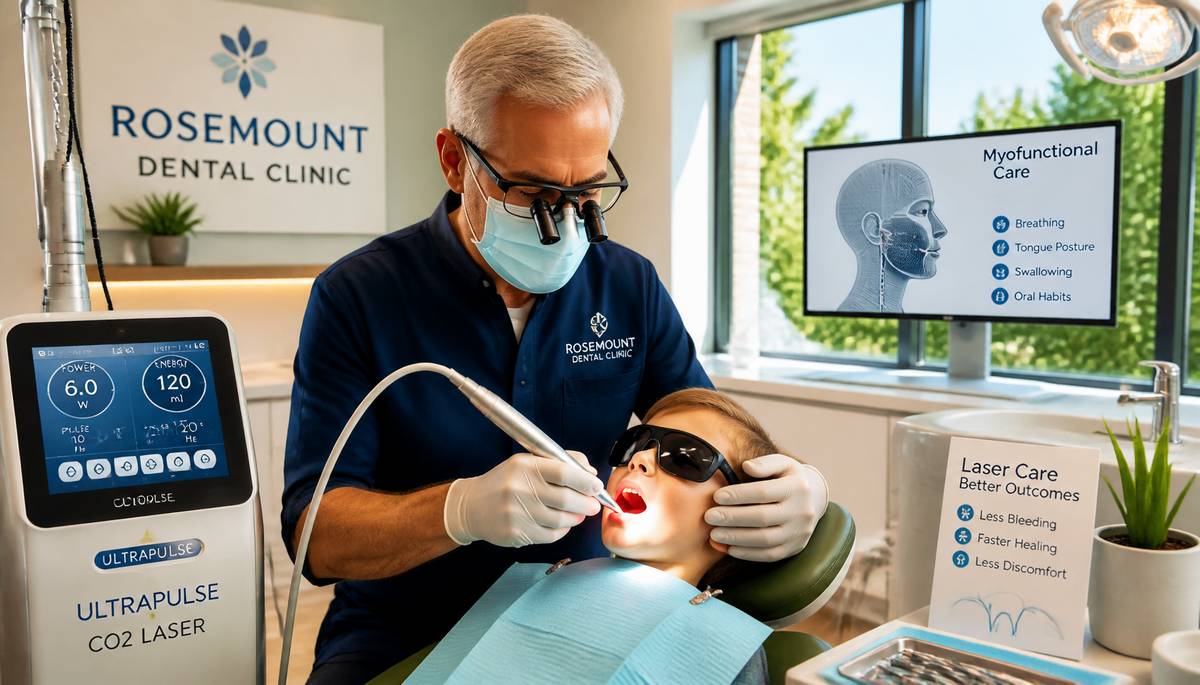 After 45 years in dentistry, John Hutcheson is changing his practice not by abandoning old skills, but by refining them with laser technology. A University of Edinburgh graduate in 1980, he works at Rosemount Dental Clinic in Aberdeen and, last year, added the Ultrapulse CO2 Laser Surgical System ML030 to a career already shaped by postgraduate study in implant dentistry, orthopaedic orthodontics, restorative care and advanced surgery.
Within five months, the system had significantly altered both his clinical workflow and the clinic’s profile. Supported by specialised training through Dental Sky, Hutcheson incorporated lasers into daily care, using them for soft-tissue surgery, gingival hypoplasia, periodontal treatment, TMJ-related care and to ease pain after orthodontics or root canal treatment.
The greatest shift has come in paediatric dentistry, the centre of his work. Hutcheson links early oral dysfunctions—mouth breathing, poor tongue posture and thumb sucking—to malocclusion, impaired craniofacial growth and wider health issues. Laser frenectomy procedures for tongue-ties and lip-ties now allow more exact tissue release, with less bleeding, quicker healing and shorter appointments; a lingual frenectomy can take just 10 to 15 minutes. Adjustable settings also make the laser suitable for both infants and adults.
Rosemount now offers Scotland’s only myofunctional dental practice, pairing laser treatment with in-house orofacial myofunctional support and referrals to a chiropractor and other professionals. Posted on 5 June 2026
Neanderthals May Have Invented Dentistry the Hard Way
 Root canal is scary enough when somebody’s got gloves, anesthesia, and a framed degree on the wall. Now picture the same basic idea happening about 60,000 years ago with a sharpened rock in Siberia.
A study in PLOS ONE argues that Neanderthals may have carried out the oldest known invasive dental treatment yet found. The evidence is a lower molar from the Altai Mountains, a region stretching across China, Mongolia, Kazakhstan, and Russia, where roughly 70 Neanderthal fossils have been discovered.
The tooth, known as Chagyrskaya 64, has a distinct hole that researchers tested as a possible intentional cavity opening. Using scans, chemical analysis, 3D modelling, and experiments on a modern Homo sapiens molar, the team asked whether a stone tool could drill the tooth, whether the procedure could be reproduced, and whether it could reach the pulp chamber.
Their conclusion: a pointed stone instrument called a lithic perforator could do it, and do it well. The shape and markings suggest deliberate drilling to remove infected tissue rather than accidental damage.
That matters because dentistry is not random animal behavior. It means locating pain, deciding to intervene, and having the hand control to carry it out while another individual knowingly endures severe pain.
The finding pushes medical intervention deeper into human evolution and adds to evidence that Neanderthals made bone tools, created symbolic art, and practiced patrilocal social organization.
Posted on 1 June 2026
When the Implant Becomes the Infection
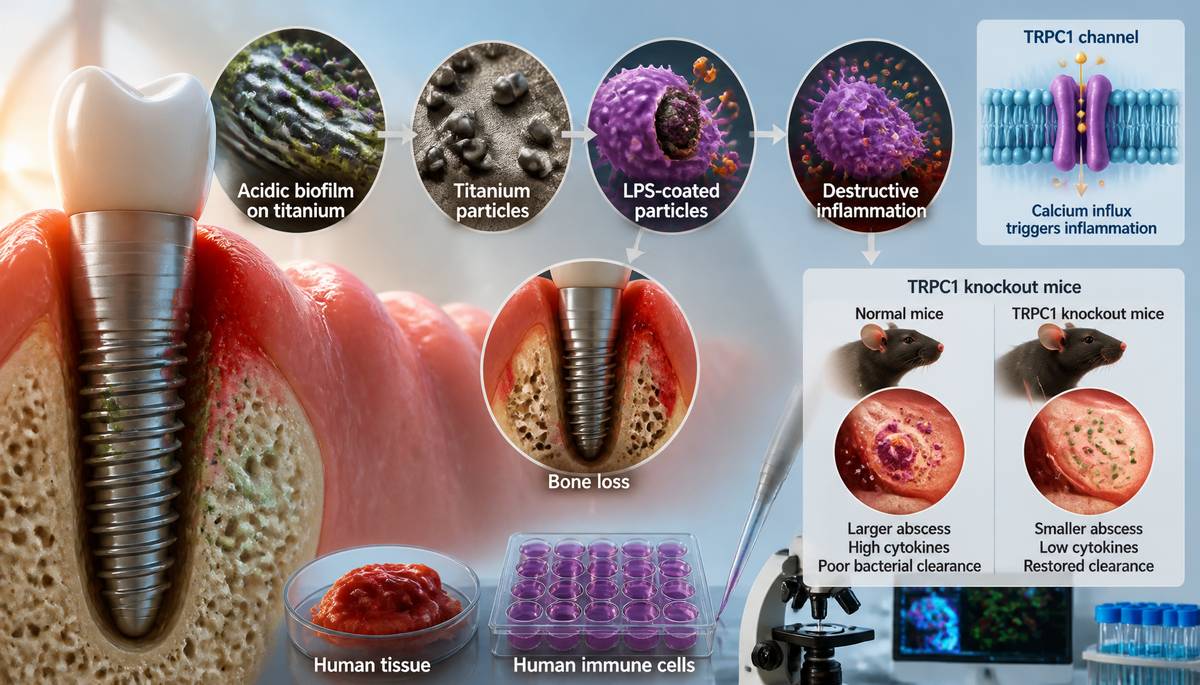 Dental implants promised permanence, and for tens of millions they delivered it. Yet for 10% to 20% of patients, that promise gives way to peri-implantitis, a severe infection that erodes the jawbone and often resists antibiotics. A study from Rutgers School of Dental Medicine, published in PNAS Nexus, suggests the failure was never only about bacteria.
The implant itself appears to join the pathology. Oral bacteria form acidic biofilms on titanium surfaces, slowly corroding them and releasing microscopic particles, sometimes during routine cleaning if abrasive metal instruments are used. In gum tissue, those particles become coated with lipopolysaccharide, a bacterial toxin. Macrophages then engulf what resembles an oversized microbe they cannot digest.
Instead of clearing infection, the cells stall in a destructive inflammatory mode, producing molecules such as interleukin-1 beta while taking up less than half as many bacteria as unaffected cells. The inflammation strips away bone; the immune defense falters.
Using human tissue, cultured human immune cells, and a genetically engineered mouse model, the Rutgers team identified the calcium channel TRPC1 as the switch in this response. Mice engineered without TRPC1 showed smaller abscesses, lower inflammatory cytokines, and restored bacterial clearance.
Georgios Kotsakis, senior author and assistant dean for clinical research, said the finding explains why therapies effective around natural teeth often fail around implants and points to the first credible drug target for a disease costing more than $1 billion globally each year.
Posted on 31 May 2026
Aye, the Smile Gap Is Real
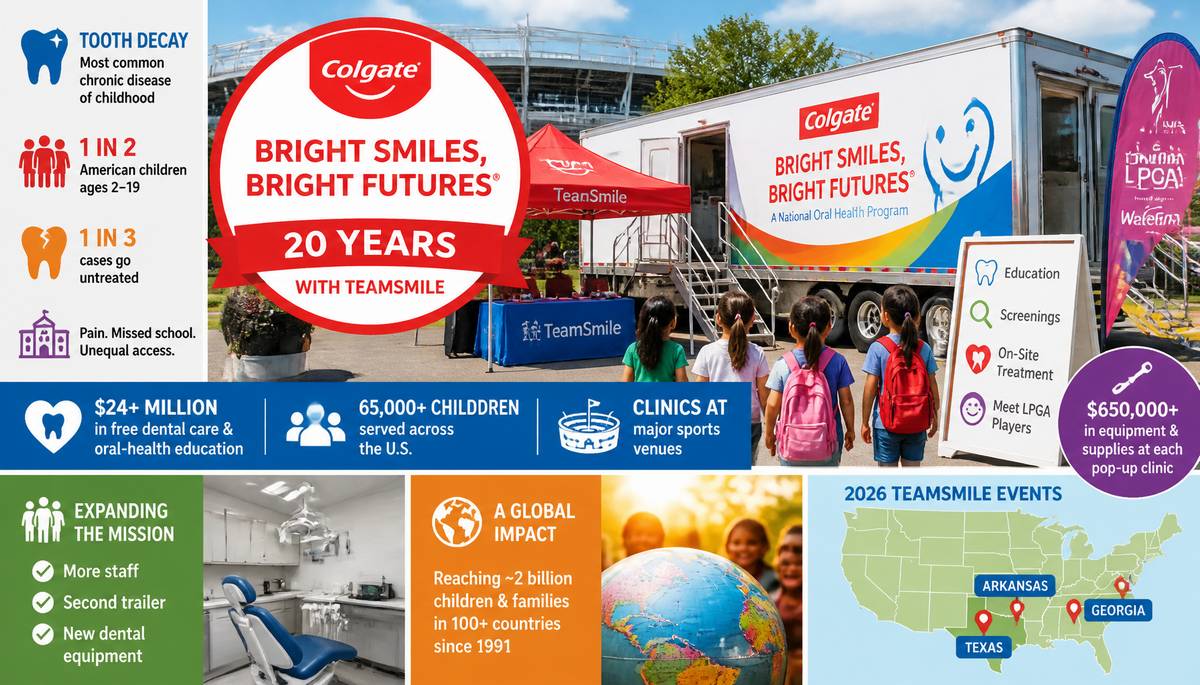 Tooth decay isn’t just a minor problem for many children — it’s actually the most common long-term health issue affecting kids, with around half of Americans aged 2 to 19 experiencing it, even though it can mostly be prevented. About one in three cases is left untreated, which can lead to pain, missed school and ongoing health problems. It also highlights a wider issue: access to basic dental care still depends too much on where families live, how much money they have and whether treatment is easy to access.
Against that backdrop, Colgate’s Bright Smiles, Bright Futures program is marking 20 years with TeamSmile by widening a partnership aimed at underserved children. Since TeamSmile began in 2007, the link-up has delivered more than $24 million in free dental care and oral-health education to over 65,000 children across the U.S., often by setting up clinics at major sports venues.
This year’s run starts May 29 at the ShopRite LPGA Powered by Wakefern tournament in Galloway, New Jersey, where a one-day clinic will provide free education, screenings, on-site treatment and a chance for children to meet LPGA players.
Colgate is also backing TeamSmile’s expansion with funding for extra staff, a second trailer and new dental equipment. TeamSmile brings more than $650,000 in kit and supplies to each pop-up clinic.
The wider BSBF program, launched in 1991, has reached about 2 billion children and families in more than 100 countries. Further 2026 TeamSmile events are scheduled for Arkansas, Georgia and Texas.
Posted on 30 May 2026
America’s ToothFairy Expands June Oral Health Campaign to Reach More Children and Families
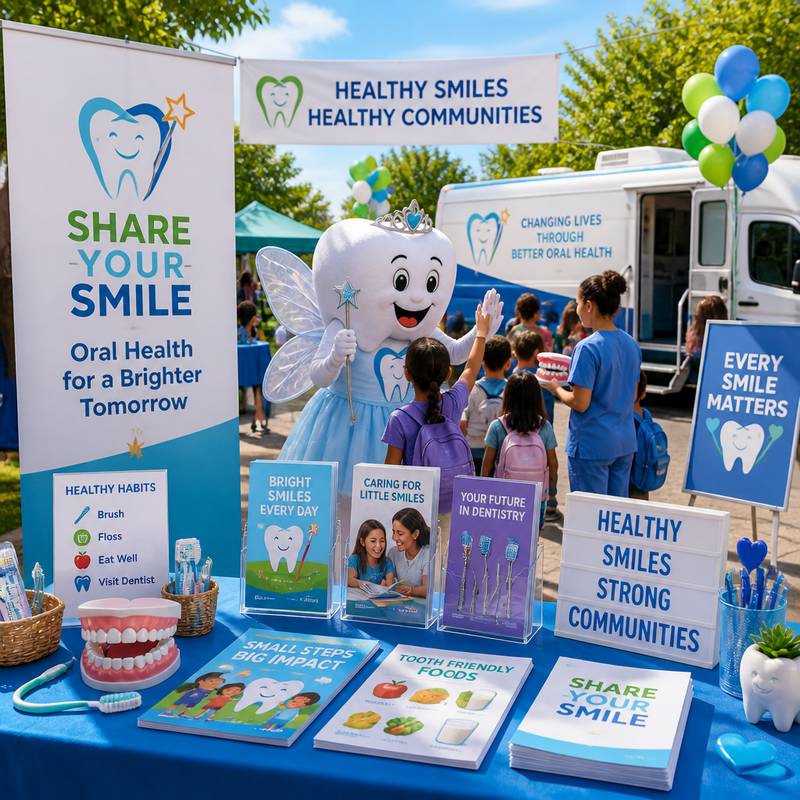 June is Oral Health Month, and America’s ToothFairy is once again rolling out its annual Share Your Smile campaign—a cheerful little effort aimed at a very uncheerful reality: millions of families still struggle to get dental care.
The nonprofit is inviting dental professionals, educators, and community groups to use free campaign materials all month long. The resources are designed to help children and caregivers learn healthy habits, understand why oral health matters, and even consider future careers in dentistry. Support for this year’s campaign comes in part from returning sponsors Sun Life and DentaQuest, a Sun Life company.
The need is substantial. More than 57 million people in the United States live in dental provider shortage areas. The burden falls especially hard on rural and remote communities, people of color, Indigenous populations, migrant families, and individuals with special healthcare needs, among others facing systemic inequities. When care is out of reach, the result can be untreated decay, pain, missed school, and long-term health consequences.
Launched in 2023, Share Your Smile has expanded steadily. In 2025, participants used its materials to reach more than 105,000 children and caregivers in 44 states and eight other countries.
For 2026, the campaign offers downloadable family materials, educator and provider tools, social media content, dental career information, and summer-focused hygiene resources for use in schools, libraries, clinics, dental offices, and community events.
Posted on 28 May 2026
Sensei Adds Cloud Platform for Dental Practices Without Replacing Core Systems
 Sensei has introduced Sensei Cloud Apps, a cloud platform aimed at helping dental teams begin the day with fewer nasty little surprises and a bit more of that rarest of office luxuries: knowing what’s going on.
Launched May 20, 2026, the system is built to work with existing Sensei practice management products rather than bulldozing them. It extends WinOMS, PracticeWorks, SoftDent, OrthoTrac, and Sensei Cloud into a single cloud experience, so practices do not have to migrate or replace current systems.
The idea is straightforward: give teams one place to see the day, check patient readiness, communicate, and get support, including before the office opens. Sensei says the platform provides cloud access alongside current software, a centralized view of daily operations, and remote access for preparation away from the practice.
The suite includes Morning Huddle for team planning, notes, and patient flags; Cloud Scheduler for remote schedule and patient access; Sensei Phones, a VOIP tool with business-number calling, caller ID, missed-call tracking, and custom routing; Eligibility IQ, which shows insurance coverage and benefit details three days before appointments; Team Chat for internal messaging between front desk and clinical staff; and In-App Support Chat.
Sensei says the aim is smoother workflows, fewer disruptions, and better patient experiences. Early access is open now to Sensei customers, with a broader rollout to follow.
Posted on 25 May 2026
ProEncia Raises Early Funding to Expand Non-Invasive Gum Disease Treatments
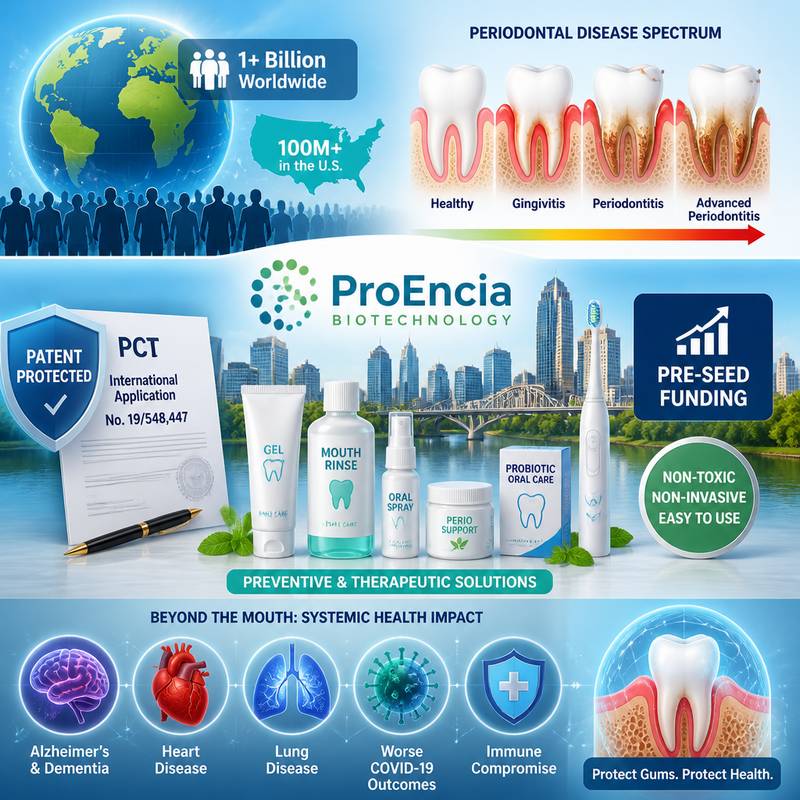 Periodontal disease is one of those problems that sounds local but behaves global. The World Health Organization estimates it affects more than 1 billion people worldwide, including over 100 million in the U.S. Now ProEncia Biotechnology, a fast-growing startup in the Twin Cities, says it has secured significant pre-seed funding to push forward a new lineup of treatments aimed at that very large, very irritated audience.
The company plans to use the money to develop, commercialize, and license a pipeline of non-invasive periodontal care products for patients across the full severity range, from gingivitis to periodontitis. Founded in 2022, ProEncia was built with scientific and clinical leadership from Dr. Tarun Ghosh and Dr. Thomas Hoover.
It also received confirmation from the U.S. Patent and Trademark Office that its provisional patent application, No. 63/765,225, titled Compositions and Method for Prophylactic, Symptomatic, Therapeutic, and Cosmetic Periodontal Care, has been folded into a non-provisional PCT International application, No. 19/548,447, and entered into the federal patent system.
ProEncia’s focus is straightforward: easy-to-use, non-toxic, non-invasive oral care based on patent-pending technology, including both preventive and therapeutic products.
The medical backdrop is not small. Periodontal disease can damage gums, ligaments, and bone, causing bleeding, sensitivity, bad breath, tooth mobility, and tissue and bone loss. Research also suggests possible links to Alzheimer’s disease, dementia, heart and lung disease, worse COVID-19 outcomes, and immune compromise.
Posted on 23 May 2026
CaviSense Brings 10-Second Sensor and 30-Second Full-Mouth Tray to AAPD
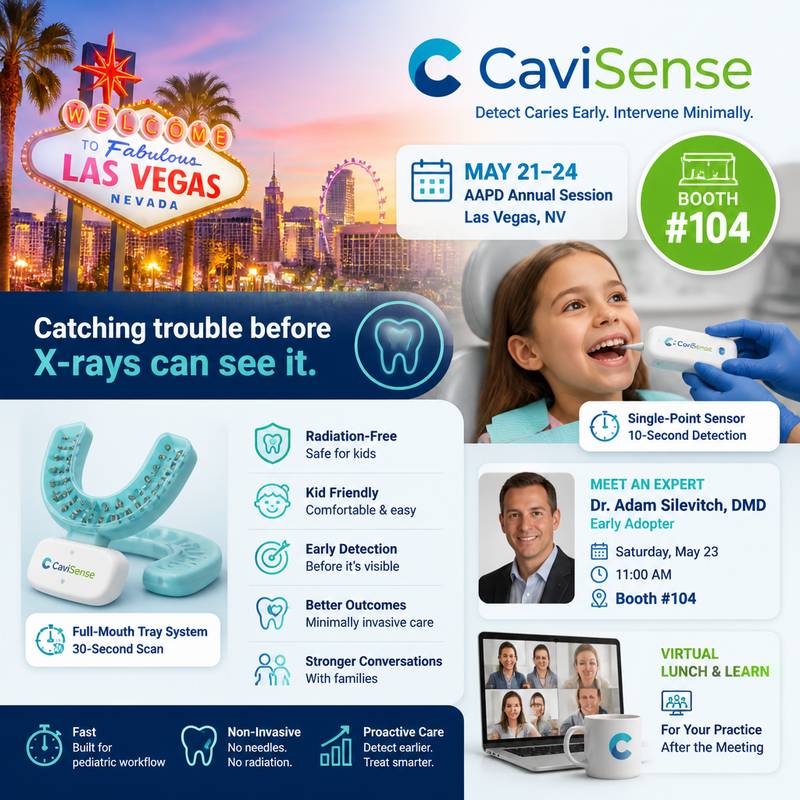 In Las Vegas, amid the annual migration of lanyards and optimism that is the AAPD Annual Session, CaviSense Inc. will return as an exhibitor from May 21–24 with a device aimed at catching trouble before X-rays can be bothered to notice it. The Harvard/Tufts spin-out, which develops radiation-free diagnostics for active tooth demineralization, will be at Booth #104.
The company plans live chairside demonstrations of a single-point sensor that takes 10 seconds to detect interproximal active demineralization before lesions appear on radiographs. It will also preview a new full-mouth tray system intended to screen the entire dentition for localized active demineralization in 30 seconds.
According to founder Dr. Gili Naveh, “Today with our CaviSense single point sensor and our upcoming, full mouth tray system, we’re rapidly shifting the caries management paradigm. We’re enabling detection to extend beyond the four walls of the dental office and into home testing. Clinicians can now detect the early stages of caries and intervene earlier, when minimally invasive treatments are most effective.”
Both products are designed to fit pediatric practice workflow without radiation or invasive steps. Dr. Adam Silevitch, DMD, an early adopter, said: “Anything we introduce into our pediatric operatories has to be fast, kid friendly, and clinically meaningful,” adding that the system supports clearer conversations with families. He will appear at Booth #104 on Saturday, May 23, at 11AM. CaviSense will also promote virtual Lunch & Learn sessions for practices after the meeting.
Posted on 20 May 2026
Kulzer’s cara Print Cube Targets Precision, Throughput, and Fewer Headaches in Dental Labs
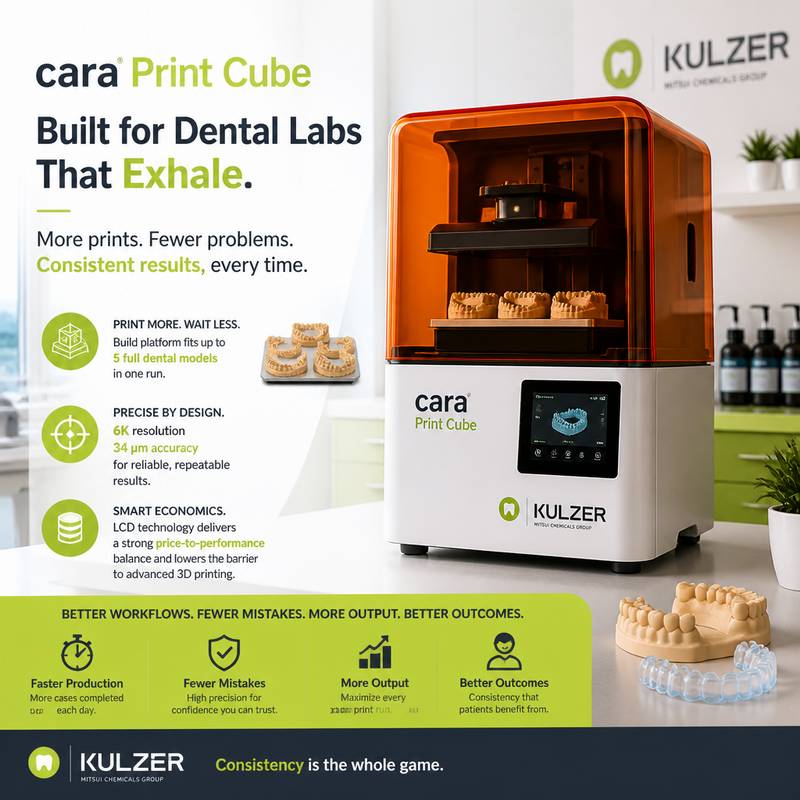 Kulzer is pitching its cara Print Cube as the sort of machine that makes a dental lab exhale for once.
Built to smooth out production rather than romanticise it, the 3D printer is aimed at dentists and lab technicians who need speed without the usual little catastrophes. Its build platform holds as many as five full dental models in a single run, which means more work moving through the day and less standing about waiting for one print to finish before the next can begin.
On the technical side, the cara Print Cube works at 6K resolution and reaches 34 µm accuracy, a level of precision intended to satisfy current dental manufacturing demands. In other words: it is designed to turn out repeatable, dependable parts, not just pretty-looking specs on a brochure.
Kulzer is also leaning on the economics. The printer uses LCD technology, which the company says gives it a strong price-to-performance balance and lowers the barrier to advanced 3D printing for dental professionals. The broader promise is familiar but useful: cleaner workflows, fewer mistakes, more output, and results that patients can actually benefit from.
The larger point is not glamour. It is consistency. And in dentistry, consistency is often the whole game.
Posted on 18 May 2026
dentistlistings.org (c)2009 - 2026